Choosing Effective Eye Creams: Beyond Basic Hydration
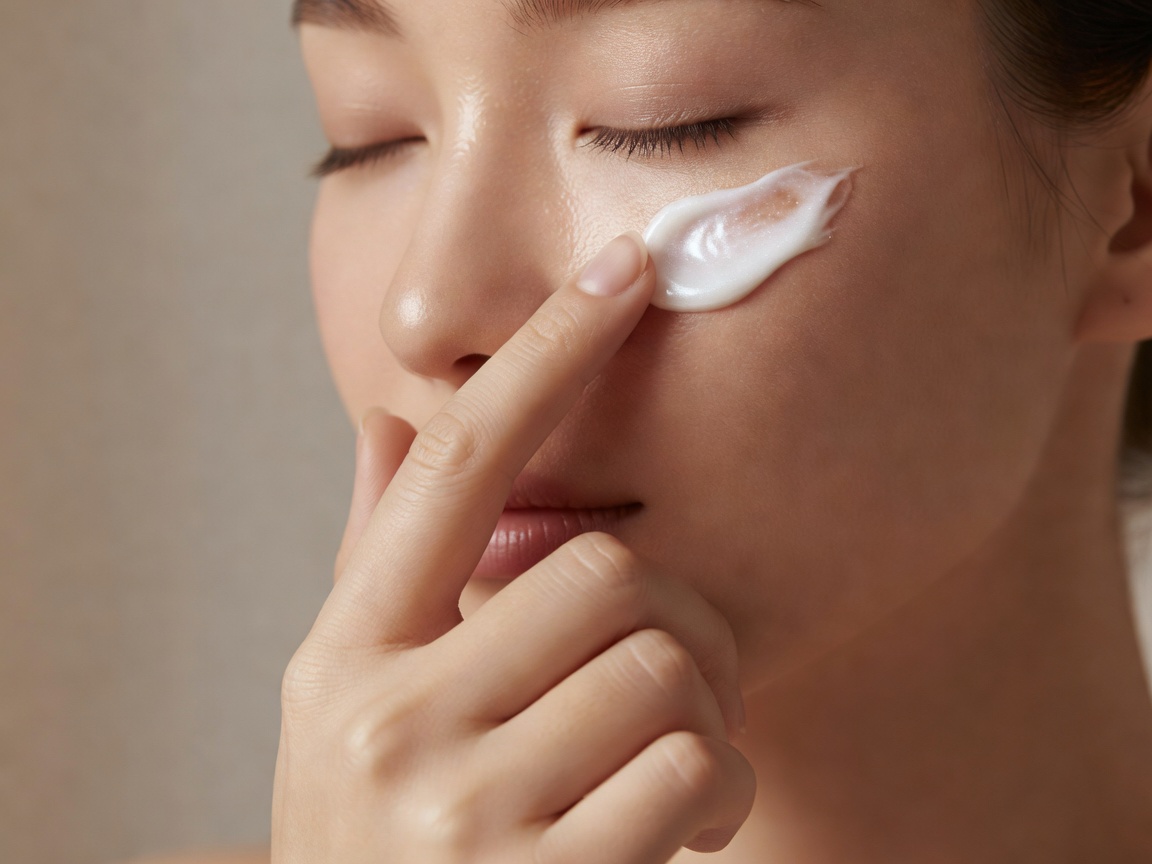
The necessity of a dedicated eye cream is one of the most hotly debated topics in skincare. Many dermatologists argue that a standard, well-formulated facial moisturizer is perfectly sufficient for the eye area. However, the skin around our eyes (the periorbital area) is anatomically distinct from the rest of the face. It is up to ten times thinner, possesses fewer sebaceous (oil) glands, and is constantly subjected to micro-movements from blinking and expressing.
Because of these unique characteristics, the eye area is often the first place to show signs of aging, fatigue, and environmental stress. A specialized eye cream can be beneficial—provided you select one formulated with active ingredients specifically targeted to your primary concern.
Targeting Dark Circles
Dark circles are complex because they have multiple underlying causes, and no single cream can address them all. Accurately identifying the cause of your dark circles is the first step toward effective treatment.
- Hyperpigmentation: Common in darker skin tones, this is actual brown pigment deposited in the skin. Look for eye creams containing Vitamin C, niacinamide, or licorice root extract to gently inhibit melanin production and brighten the area over time.
- Vascular Dark Circles: Because the skin is so thin, underlying blood vessels can show through as a blue or purplish tint. Ingredients like Vitamin K and caffeine can help constrict these blood vessels, temporarily reducing the bluish shadow.
- Structural Shadows: Loss of facial fat and bone density as we age can create hollows under the eyes that cast shadows. No topical cream can replace lost volume; in these cases, clinical treatments like hyaluronic acid fillers are the only definitive solution.
Managing Puffiness and Bags
Under-eye puffiness is typically caused by fluid retention resulting from high sodium intake, lack of sleep, or allergies. To combat this, look for formulations that include caffeine. As a vasoconstrictor, caffeine helps flush excess fluid from the lymphatic system around the eye.
Delivery method also matters for puffiness. Applying a cream stored in the refrigerator, or using a product with a cooling metal rollerball applicator, utilizes cold therapy to immediately constrict vessels and reduce swelling. Keep in mind that genetic under-eye "bags" consisting of herniated fat pads will not respond to topical treatments.
Addressing Fine Lines and Crow's Feet
Because the periorbital skin is highly susceptible to mechanical folding (smiling, squinting) and lacks structural thickness, fine lines form easily. Hydration is the first line of defense; dry skin exacerbates the appearance of wrinkles. Hyaluronic acid, squalane, and ceramides are excellent for plumping the skin and smoothing superficial dehydration lines.
For true structural improvement, you need active collagen stimulators. Standard facial retinols can be far too harsh for the delicate eye area, leading to severe dermatitis. Specialized eye creams utilize low-dose retinol or gentler retinoid derivatives (like retinyl palmitate) buffered with rich emollients. Alternatively, peptides are highly favored for the eye area because they signal the skin to produce collagen without the irritation associated with Vitamin A.
Application Technique
How you apply eye cream is nearly as important as the formula itself. Due to the fragility of the skin, aggressive rubbing can induce micro-tears and worsen laxity over time.
- Dispense a pea-sized amount (enough for both eyes).
- Use your ring finger, which naturally applies the least pressure of all your digits.
- Gently tap the product along the orbital bone—starting from the inner corner, moving outward toward the temples, and up along the brow bone.
- Avoid applying cream directly on the lash line or eyelids unless the product explicitly states it is safe to do so, as products can migrate into the eye and cause irritation.
Manage your expectations. While a high-quality eye cream can brighten, depuff, and soften fine lines, it cannot replicate the effects of surgical blepharoplasty or dermal fillers. Consistency, combined with adequate sleep and daily UV protection, remains your best strategy for periorbital longevity.