At-Home Facial Devices: A Science-Based Breakdown
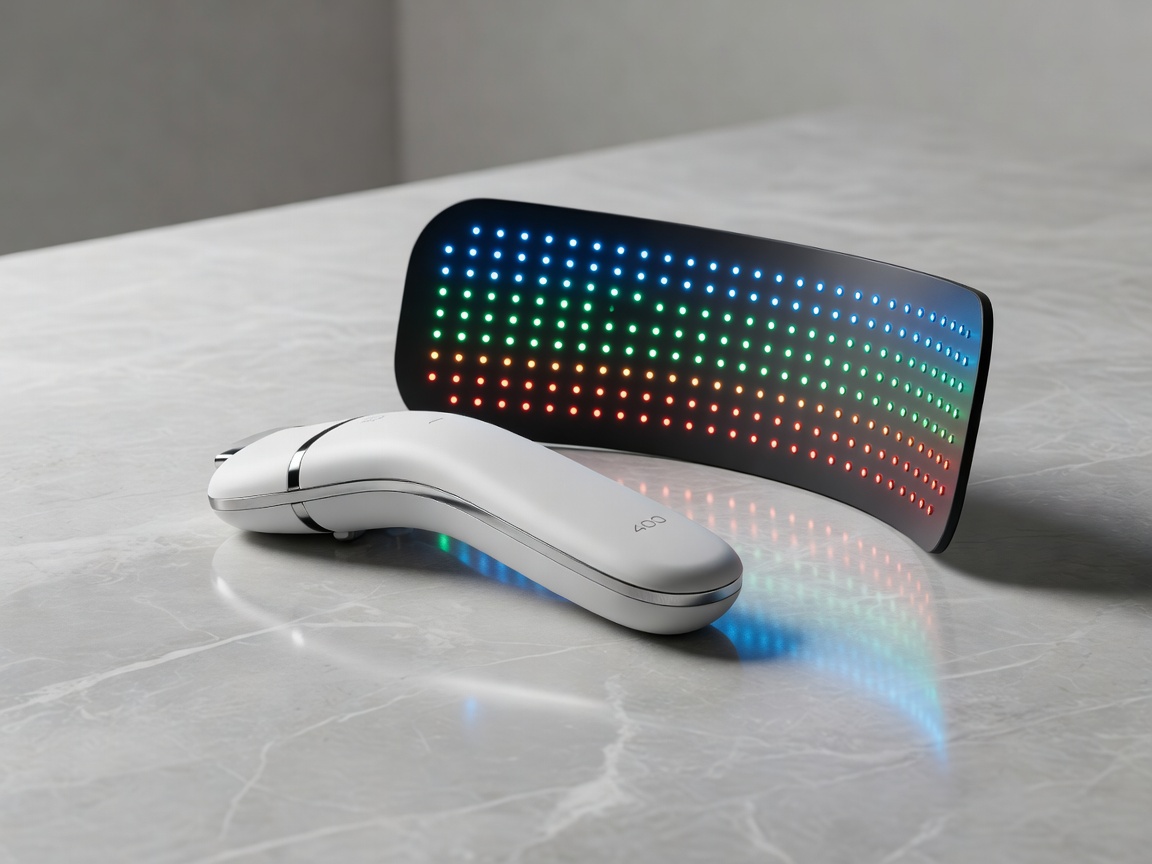
Historically, significant structural improvements to the skin required visits to a dermatologist or aesthetician. Today, miniaturization of clinical technology has resulted in a booming market of at-home facial devices. Promising to lift, tone, and boost collagen from the comfort of your bathroom, these tools can be highly effective—but they operate on distinct biological pathways and require immense user consistency.
Microcurrent Technology
Microcurrent devices emit low-voltage electrical currents that mirror the body's natural electrical currents. These gentle waves penetrate the skin and target the facial muscles beneath.
The primary mechanism of microcurrent is the stimulation of Adenosine Triphosphate (ATP) production. ATP is the energy currency of cells; increasing it helps drive cellular repair and collagen synthesis. Additionally, the electrical current physically re-educates facial muscles, leading to a temporary lifting and contouring effect, particularly around the jawline and cheekbones.
- Pros: Immediate, visible lifting effect; painless; zero downtime.
- Cons: Results are transient. To maintain the lift, devices must be used several times a week. It also requires the use of a conductive gel, which is an ongoing expense.
LED Light Therapy
Light Emitting Diode (LED) therapy was originally researched by NASA for plant growth and wound healing in space. In skincare, specific wavelengths of light are used to trigger biological responses within the dermis.
For anti-aging, Red light (typically around 633nm) and Near-Infrared light (around 830nm) are the gold standards. These wavelengths penetrate deep into the skin to stimulate fibroblasts, the cells responsible for producing collagen and elastin. Unlike microcurrent, LED therapy does not affect the facial muscles; it is entirely focused on skin quality, density, and reducing inflammation.
- Pros: Completely passive and relaxing; excellent for reducing redness and improving overall skin tone; well-documented clinical backing.
- Cons: Results are slow and cumulative. It often takes 4 to 8 weeks of daily or near-daily use (typically 10-20 minutes per session) to see visible changes in skin texture.
Radiofrequency (RF) Devices
Radiofrequency relies on thermal energy. These devices deliver controlled heat deep into the dermal layers (often targeting temperatures around 38°C to 40°C on the skin's surface). This heat intentionally causes microscopic thermal trauma to existing, sluggish collagen fibers, causing them to immediately contract (providing a short-term tightening effect) and stimulating the body’s wound-healing response to generate fresh collagen over the following months.
- Pros: Excellent for addressing skin laxity and deeper wrinkles; requires fewer sessions per week than microcurrent.
- Cons: At-home RF devices are significantly less powerful than clinical machines for safety reasons, meaning results are much more subtle. Improper use can lead to burns or volume loss (fat melting) if overused.
Microneedling / Dermarolling
Microneedling involves rolling fine needles over the skin to create controlled micro-injuries, triggering a collagen-producing healing cascade. While highly effective in a clinical setting, at-home dermarolling is highly controversial.
Most dermatologists advise against at-home microneedling. Consumer-grade dermarollers often use needles that enter and exit the skin at an angle, creating small lacerations rather than clean punctures. Furthermore, proper sterilization of needles at home is nearly impossible, posing a high risk of bacterial infection and permanent scarring.
The Verdict on Consistency
The most important factor regarding any at-home facial device is compliance. A clinical laser treatment might yield results in a single session because the energy output is massive. At-home devices are purposely capped at lower energy thresholds to prevent injury. Therefore, achieving visible, lasting results requires strict adherence to the manufacturer's protocol, often meaning 10 to 20 minutes of use, 3 to 5 times a week, for months. If you are not prepared to incorporate a device into your long-term routine, it is likely not a worthwhile investment.