Sun Protection: The Foundation of Anti-Aging
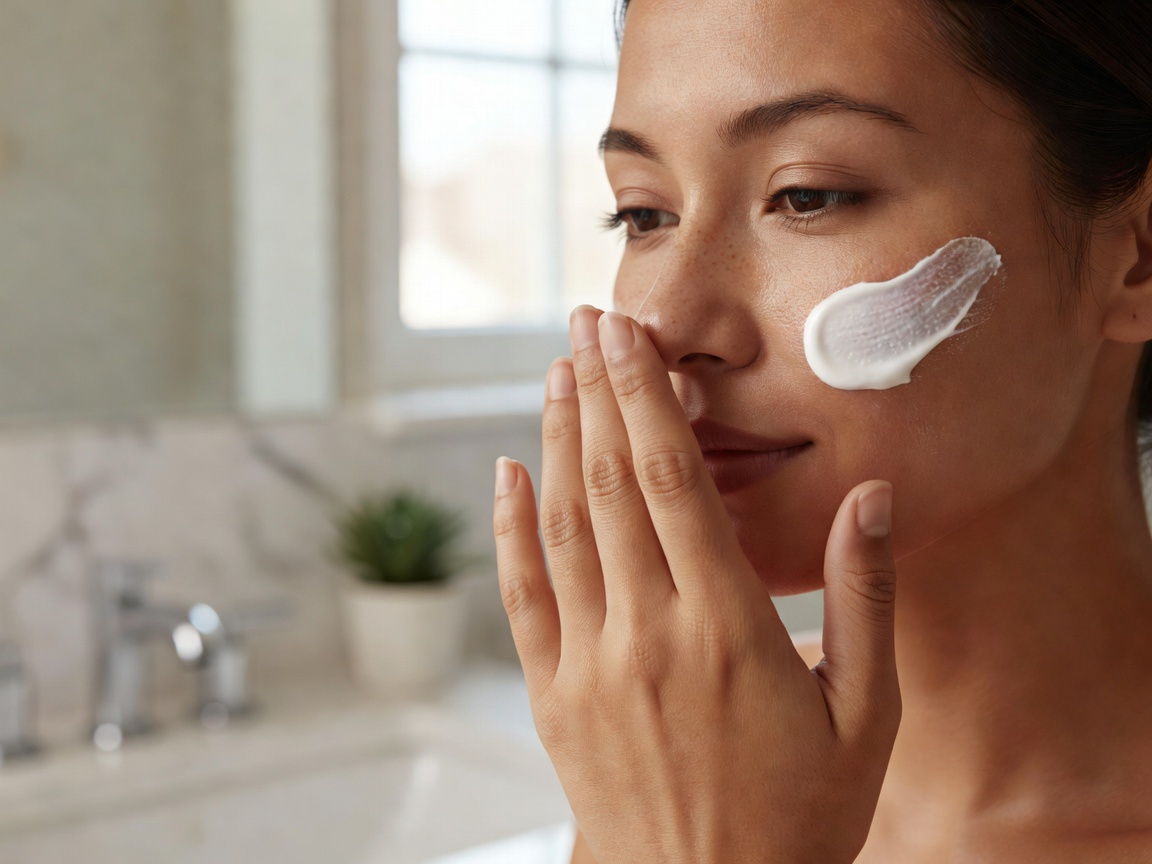
You can invest heavily in state-of-the-art peptides, prescription retinoids, and daily microcurrent sessions, but if you omit daily broad-spectrum sun protection, you are attempting to fill a bucket with a hole in the bottom. Dermatologists overwhelmingly agree that up to 80% of visible skin aging—including deep wrinkles, loss of elasticity, and hyperpigmentation—is the direct result of cumulative UV exposure, a process known as photoaging.
UVA vs. UVB: Understanding the Rays
Sunlight reaching the earth consists primarily of two types of ultraviolet radiation that affect the skin differently:
- UVB (Burning Rays): These rays possess higher energy but shorter wavelengths. They primarily affect the outermost layers of the skin (epidermis) and are the main cause of sunburns and non-melanoma skin cancers. Their intensity fluctuates depending on the season and time of day.
- UVA (Aging Rays): These have lower energy but longer wavelengths, allowing them to penetrate deep into the dermis. UVA rays are insidious because they do not cause immediate redness or pain. Instead, they quietly generate free radicals that destroy collagen and elastin fibers over time. UVA rays are present at relatively equal intensity during all daylight hours and can penetrate clouds and window glass.
Therefore, a high SPF rating is not enough, as SPF primarily measures UVB protection. You must look for "Broad Spectrum" labels, which guarantee adequate protection against UVA rays as well.
Physical (Mineral) vs. Chemical Filters
Modern sunscreens utilize two primary mechanisms to protect the skin. Many advanced formulations now combine both for elegant, comprehensive coverage.
Mineral (Physical) Sunscreens
Active ingredients: Zinc Oxide and Titanium Dioxide. Mineral sunscreens sit on the surface of the skin and physically reflect and scatter UV rays away from the body. Because they are not absorbed, they are generally preferred for highly sensitive skin or those prone to rosacea. The primary drawback of mineral formulas is their tendency to leave a white cast, particularly on deeper skin tones, though micronized formulations and tinted options have largely mitigated this issue.
Chemical (Organic) Sunscreens
Active ingredients: Avobenzone, Octocrylene, Homosalate, and newer next-generation filters available outside the US (like Tinosorb and Mexoryl). These work by absorbing UV radiation and converting it into a tiny amount of heat, which is then released from the skin. Chemical sunscreens generally offer a more cosmetically elegant finish, absorbing seamlessly without a white cast, making them excellent under makeup.
Application Rules for Anti-Aging Efficacy
Even the best sunscreen fails if applied incorrectly. Clinical testing for SPF ratings uses an application density of 2 milligrams per square centimeter of skin. The vast majority of consumers apply less than half this amount, drastically reducing their protection.
- The Two-Finger Rule: To achieve the stated SPF on your face and neck, dispense two full strips of sunscreen along the lengths of your index and middle fingers.
- Daily Habit: Sunscreen is not just for the beach. Because UVA rays penetrate glass, daily application is mandatory even if you are simply driving or sitting by a window working.
- Reapplication: Sunscreen filters degrade with UV exposure, sweat, and natural oil production. Reapplication every two hours is recommended during sustained outdoor exposure. For daily incidental exposure, utilizing a sunscreen powder or setting spray can help maintain protection over makeup.
In the hierarchy of anti-aging interventions, prevention always supersedes correction. Establishing a diligent daily sunscreen habit is the single most effective strategy for maintaining youthful, resilient skin long into the future.